


Mexico Invests in Nearshoring Growth Plans
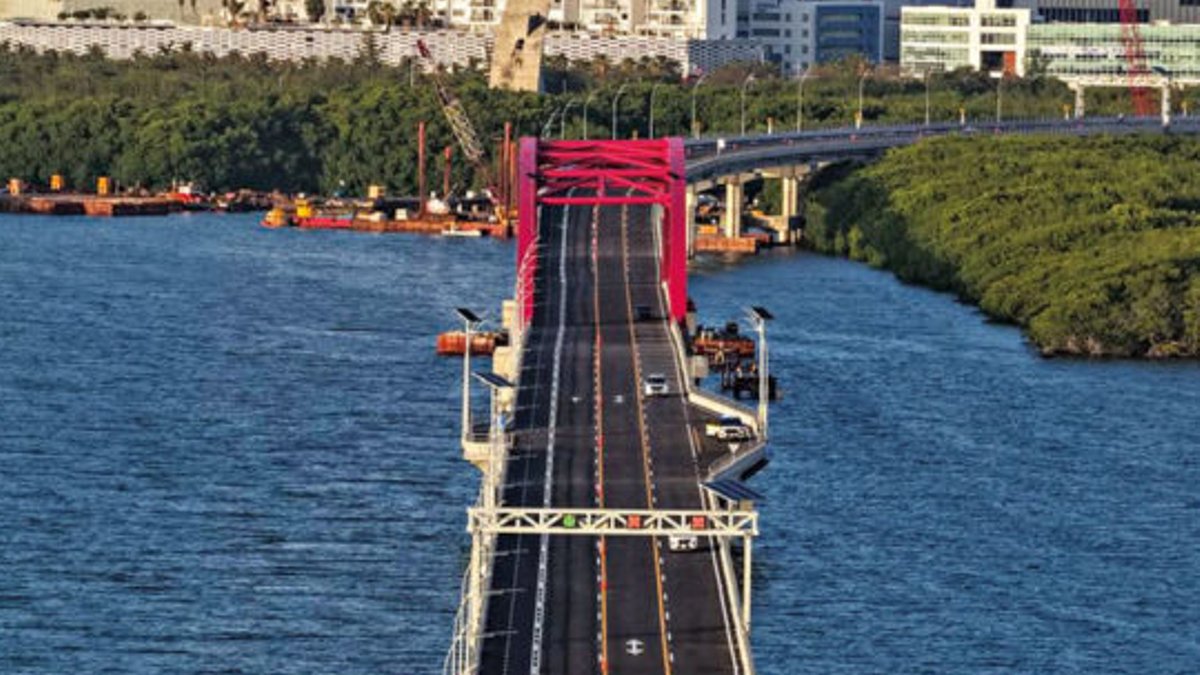
Mexico’s nearshoring boom is reshaping how the country finances its infrastructure, with pension funds—known as Afores—playing an increasingly central role.
Infrastructure as the engine of nearshoring growth
Companies are moving manufacturing closer to U.S. markets to cut logistics risk and delivery times. The United States‑Mexico‑Canada Agreement (USMCA) represents roughly 30 % of global GDP and more than 24 % of world trade, positioning Mexico as a key hub. In 2025, foreign direct investment hit a record $40.8 billion, up 10.8 % year‑over‑year, reflecting strong demand for industrial and logistics capacity.
Pension funds stepping into the financing mix
The discussion is no longer just about pensions. It is about how the savings of millions of workers can support the infrastructure required for sustained economic expansion. Institutional investors are increasingly allocating to real assets, reflecting a broader structural change in how capital is being deployed globally.
Related: Cooperative Model Puts Sustainability First
Investors watch the trend closely.
The rise of pension fund involvement illustrates a broader trend: institutional investors are seeking assets that provide steady cash flow and inflation protection. Infrastructure fits that profile, offering predictable returns and a direct impact on economic productivity.
From a broader perspective, the alignment of long‑term savings with long‑term productive investment can help Mexico reduce reliance on volatile short‑term capital flows. If the country can deliver reliable infrastructure and clear regulatory frameworks, it stands to reinforce its role as a manufacturing gateway for North America. This cooperation, while promising, hinges on the ability to turn policy into concrete projects that attract and retain capital.
Related: The First Man-Made Diamond
Despite the growing pool of savings, infrastructure investment remains complex. Projects often involve multiple stakeholders, lengthy execution timelines and regulatory risk. Effective financing models now emphasize mixed‑investment structures where the state sets direction but private capital bears early‑stage risk. This approach aims to improve project design, lower uncertainty and provide the long‑term visibility investors need.
Government plans, such as the National Development Plan and the 2026–2030 Infrastructure Investment Programme, stress public‑private participation and sophisticated financing vehicles. By creating a more predictable environment, these policies hope to channel Afore assets into projects that boost productivity and, ultimately, GDP growth.
In short, Mexico’s nearshoring future depends on more than geographic proximity. It requires a financing ecosystem that can marshal domestic savings, coordinate public policy and attract private expertise. The Afores, with their long‑term orientation, are uniquely positioned to bridge that gap—provided the regulatory and project‑execution challenges are addressed.

Cooperative Model Puts Sustainability First


