


Bangladesh resumes major Indian wheat purchases amid supply shifts
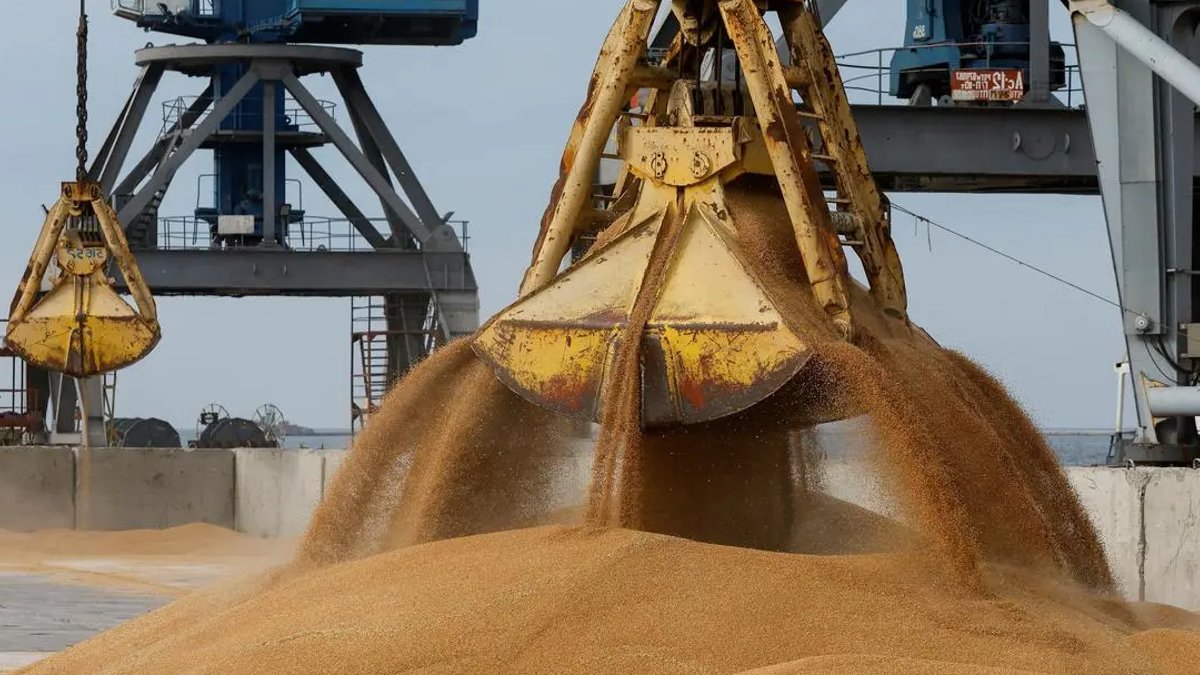
Bangladesh has resumed major wheat purchases from India, booking over 200,000 tonnes since late August after India lifted export restrictions that had been in place since May 2022. The fresh demand reflects shifting global supply chains as Black Sea shipments remain disrupted by the Russia-Ukraine conflict.
Disrupted Black Sea Trade Drives New Buying Patterns
The war between Russia and Ukraine has repeatedly struck ports and terminals in one of the world’s top grain-exporting regions, forcing buyers in Asia, Africa and Europe to seek alternative suppliers. For Bangladesh, which imports over 7 million tonnes of wheat annually, the impact has been acute. Before the 2022 ban, India supplied nearly 70% of Bangladesh’s wheat imports due to short transit times and low freight costs.
Since turning to alternative sources including Argentina, Canada, Russia and Ukraine, roughly 40% of Bangladesh’s wheat now comes from the Black Sea region. However, high prices and shipping uncertainty have pushed importers back toward Indian origins.
“Unless the Russia-Ukraine crisis is resolved, supply remains critical,” said Taslim Shahriar, senior deputy general manager at Meghna Group of Industries, a major Bangladeshi wheat importer and flour miller. He noted that Australian wheat prices have risen above $450 per ton, compared to under $380 previously.
Indian Wheat Offers Price Advantage
Most Indian wheat bound for Bangladesh will move by rail, with delivered prices ranging from $305 to $326 per ton, according to unnamed sources familiar with the matter. Sri Lankan importers have also recently purchased about 60,000 tonnes at around $325 per ton before shipping.
Read Also: Jensten Group to acquire technology broker Venture Risks
“There will probably be a market for Indian wheat in neighboring countries,” said Abhinav Vijay, a director at Agrocorp International Pte Ltd. The US Department of Agriculture’s Foreign Agricultural Service forecasts Indian wheat exports could exceed 2 million tonnes in the 2026/27 season, marking a fourfold increase from recent levels.
Ample domestic supplies, relaxed export curbs and ongoing Black Sea disruptions are aligning to make Indian wheat internationally competitive for the first time in five years. Exports to Bangladesh and Nepal have already climbed, while the UAE and Indonesia may absorb additional cargoes.
Refined wheat flour prices in Dhaka have risen 17% over the past month, according to the state-run Trading Corporation of Bangladesh. Wheat ranks as the country’s second-most consumed cereal, and rising costs add pressure to inflation already strained by raised consumer-price growth.
The bigger concern for Bangladesh lies in affordability rather than availability, according to Vladimir Zinkovski, head of APAC crops research at S&P Global Energy. He cautioned that sustained high prices may prompt increased rice consumption domestically.
Higher global benchmarks have made Indian wheat—which had long struggled to compete internationally—internationally competitive for the first time in five years, attractive to nearby buyers. Chicago wheat futures surged to the highest in more than three years last month before paring some of the gains.

Jensten Group to acquire technology broker Venture Risks


