


UK Insurance Struggles to Keep Pace with Drought Risk
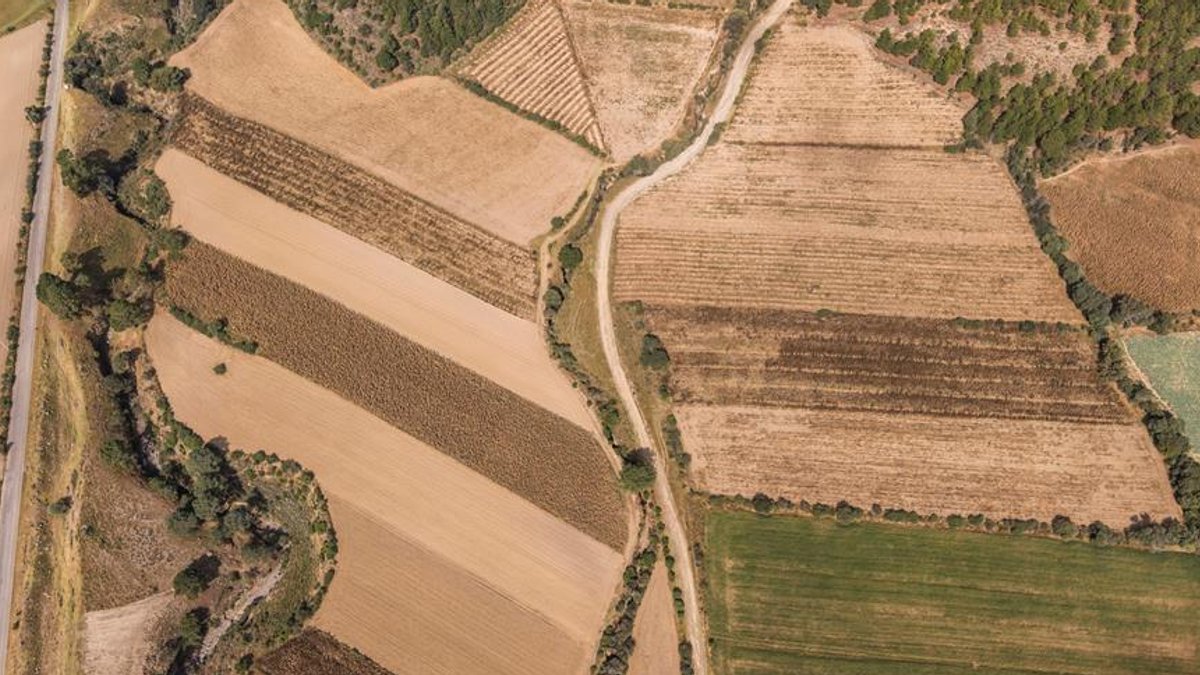
Drought is emerging as a significant risk in the UK, impacting property, infrastructure, and businesses. While insurers are adjusting their risk assessments, there’s a gap between awareness and action in purchasing new protections. This disparity is particularly notable as the UK, traditionally known for its rainy climate, now faces more frequent and severe drought conditions, challenging long-held perceptions of water scarcity as a marginal issue.
Historically, drought in the UK has been linked to agriculture and water restrictions, not property or infrastructure damage. However, prolonged dry periods can cause soil shrinkage, structural damage, and increased flood risk when heavy rain follows. These effects are exacerbated by the UK’s infrastructure, much of which was designed for a cooler, wetter climate, leaving it ill-equipped to handle extended periods of heat and drought. The delayed nature of drought-related damage further complicates its management, as issues like subsidence often manifest weeks or months after dry conditions subside.
Drought’s complex insurance challenge
For insurers, drought isn’t just another peril to add to policies. Its effects can appear across multiple lines of business, often indirectly. Swiss Re’s Jason Richards notes the UK’s infrastructure, designed for cooler, wetter weather, is under strain from longer heat and drought periods. This strain is reflected in the increasing frequency and severity of property claims, particularly those related to subsidence, which have seen a marked rise in both volume and cost. The complexity of drought as a risk factor lies in its ability to influence various aspects of insurance, from property damage to business interruption, often in ways that are not immediately apparent.
The impact is evident in rising property claims. Woodgate and Clark’s David Hession reports a surge in subsidence claims, with £72 million paid in the second quarter of 2026, and average claims hitting a record £20,000. This increase is not isolated; it is part of a broader trend linked to prolonged dry conditions, which have been particularly severe in recent years. The ABI’s figures show the financial burden of these claims, highlighting the growing challenge insurers face in managing drought-related risks.
LexisNexis Risk Solutions data shows spikes in subsidence claims linked to hot, dry conditions in 2022 and 2025. Caroline Elliott-Grey of LexisNexis explains claims often emerge 1-2 months after extreme heat, with full loss costs taking longer to materialize. This lag between the onset of dry conditions and the appearance of claims complicates risk assessment and management, as insurers must account for delayed impacts that can extend well beyond the initial drought period.
Read Also: Migranteu Announced New Hubs for Business Relocation
Drought’s effects are not immediate, but they can cause long-term economic disruption. Descartes Underwriting’s Matthew James notes, “Drought often doesn’t lead to damage. It’s a stressor which causes economic disruption further down the line.”
Interconnected risks and industry response
Drought, subsidence, wildfire, and flooding are interconnected, not separate issues. Allianz UK’s James Redford highlights how prolonged dry conditions can lead to surface water flooding when heavy rain follows. This interconnectedness poses a unique challenge for insurers, as it requires a holistic approach to risk management that considers how different perils can interact and exacerbate one another.
The International Underwriting Association’s Tom Hughes emphasizes the need to consider how risks are interlinked and how one loss driver can lead to secondary implications, creating aggregation problems when multiple policyholders are affected. This aggregation risk is a critical concern, as it can lead to significant financial exposure for insurers when widespread events occur.
While awareness of drought risks is growing, it hasn’t significantly changed insurance buying behavior. Miller’s Alice Glenister notes increased interest in water-related risks, but Allianz’s Redford and Descartes’ James report no substantial rise in demand for drought or parametric cover.
The insurance industry is still determining if recent drought conditions represent a fundamental shift or a more prominent risk. The gap between awareness and uptake is most evident in insurance purchasing decisions.
Read Also: How pet insurance adapts to contextualized care
The evolving insurance market
Parametric insurance, triggered by metrics like rainfall levels, could be a solution for businesses facing losses without physical damage. However, adoption is slow due to the need for client education and understanding of exposure.
Insurers are incorporating drought into risk models, but this may not create a mass market for standalone drought insurance. Instead, drought is likely to be integrated into broader risk assessments and policy conditions, influencing underwriting, pricing, and excesses.
Swiss Re’s Richards cautions that insurance has limits. While it can aid recovery and inform investment decisions, it can’t prevent avoidable damage or make infrastructure resilient to changing weather patterns.
As the UK faces more frequent heat and drought, the insurance industry, businesses, and government must work together to reduce underlying exposure before dry weather’s secondary consequences become a routine source of loss.

Migranteu Announced New Hubs for Business Relocation


