


La Manga sandbar draws travellers to Spain’s hidden coast
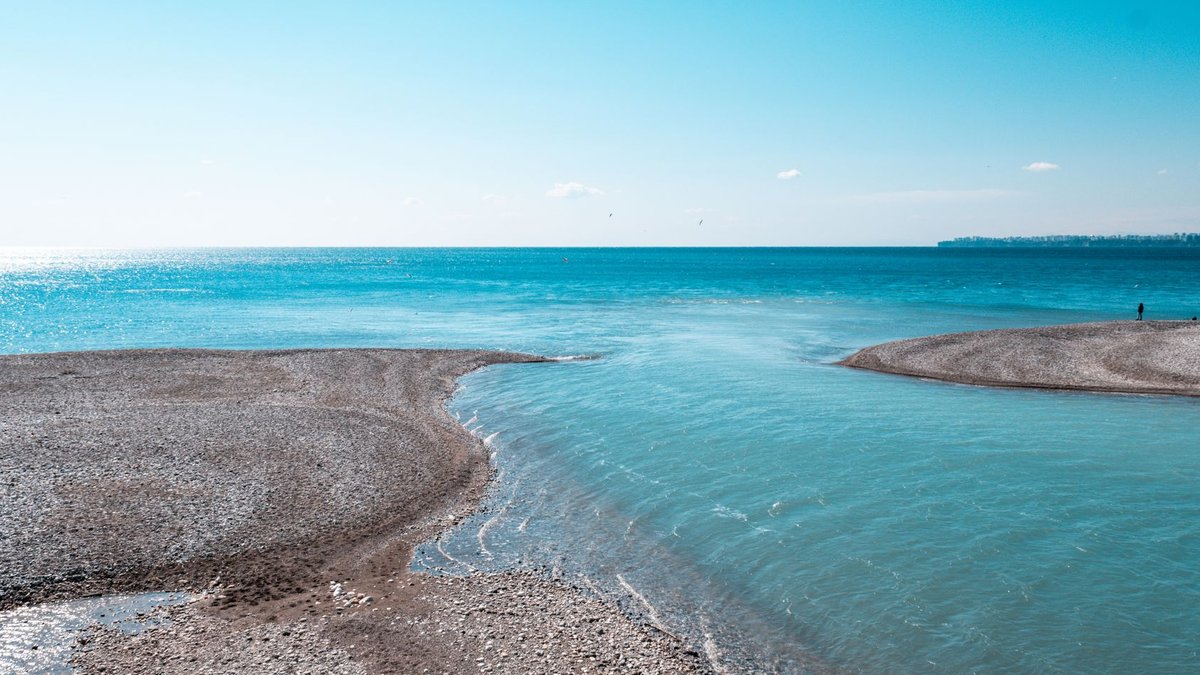
The summer of 2012 was a strange one for the UK. The country hosted the Olympics and celebrated the Queen’s Jubilee, but the weather was widely considered the worst in living memory. For anyone still feeling damp from that season, La Manga, the sandbar of the Minor Sea, offers a different kind of forecast — one where the sun is the default setting rather than a rare treat.
La Manga has grown into a destination for travelers who want more than a beach towel. Since 1999, the La Manga Stadium has hosted numerous Premier League football clubs that use the resort for pre-season training. The facilities stretch well beyond football, with serious setups for golf, cycling, tennis, and water sports. It’s the kind of place where you can book world-class coaching in the morning and still have time for a long lunch.
More Than a Sports Camp
The resort doesn’t force you into athleticism, though. There’s a quieter side that works just as well. You can spend the entire trip poolside or on the sand, working through a stack of books and testing the cocktail menu without ever touching a racket. The balance between high-intensity activity and total rest is what makes the place stand out.
Related: Carriers Seek Ways to Profit From Trillion IoT Devices
The Hotel La Manga Club Principe Felipe sits at the center of it all, covering 1,400 acres of gardens and championship golf courses. Its 192 rooms include suites with views over the fairways, and the on-site Spa La Manga Club has a 25-meter indoor pool, saunas, steam rooms, and treatment spaces. The fitness suite is solid, and the 28-court tennis center draws players year-round.
Book court time ahead of your trip. The tennis facilities run at near capacity, especially during school holidays and peak season. The hotel’s Amapola restaurant serves Mediterranean food, and the Piano Bar pairs its tapas menu with a serious cocktail list.
What’s less obvious from the brochures is how the resort handles its own popularity. The infrastructure was built for volume, but the experience still depends on timing. Go during peak weeks and you’ll share the courts with professional squads and holidaying amateurs alike. Go slightly off-season and you might feel like you have the place to yourself.
Related: India’s Infrastructure Revolution Under Construction
Getting There and Getting Settled
La Manga Club sits roughly half an hour from Murcia Airport and about an hour from Alicante. Both are manageable drives, and the route is well signposted. For UK travelers used to the soggy summer of 2012, the transfer alone feels like a shift in fortune.
The resort’s longevity in the sports market isn’t accidental. It has kept its facilities current and its reputation intact for over two decades. That kind of consistency is rare in the holiday industry, where places often trade on past glory rather than present quality. The stadium still gets used by professional clubs, the golf courses stay in tournament condition, and the tennis center remains a draw for serious players.
There’s something to be said for a destination that knows exactly what it is. La Manga isn’t trying to be a cultural capital or a nightlife hub. It’s a purpose-built sports and leisure complex that has been doing what it set out to do since the late 1990s. The rooms are comfortable, the food is reliable, and the facilities are genuinely world-class. That’s a harder combination to find than it sounds.

Carriers Seek Ways to Profit From Trillion IoT Devices


