


GM takes 7 billion dollar writedown charge
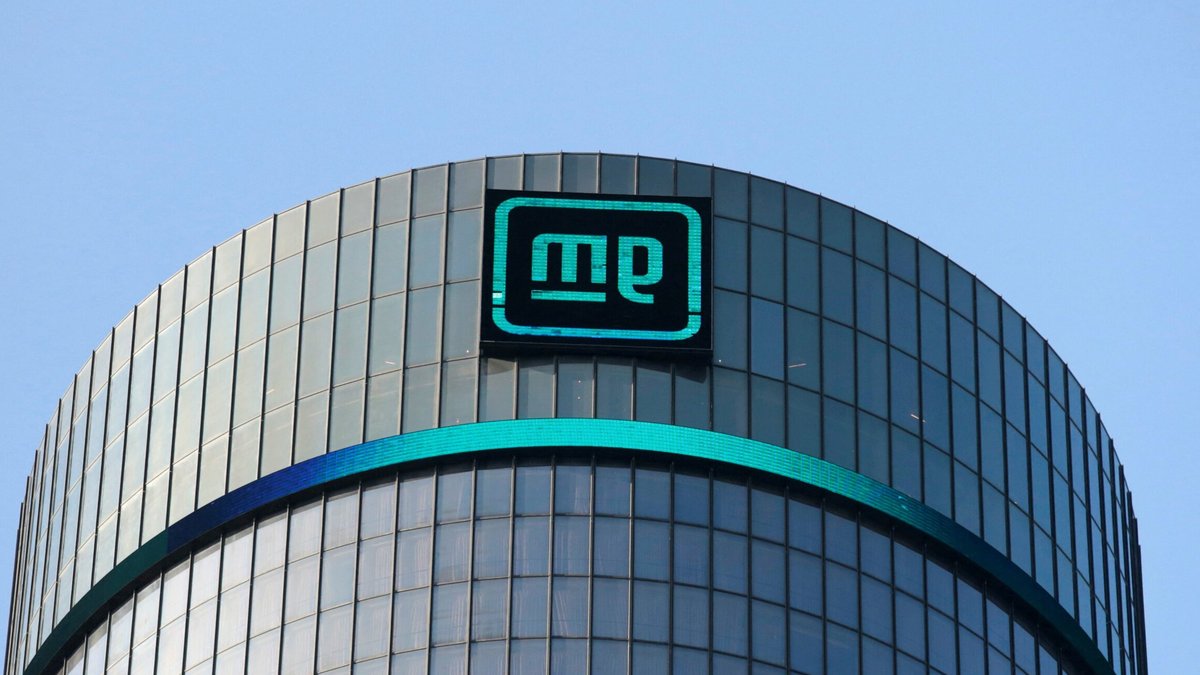
General Motors (NYSE: GM) revealed it will set aside $7.1 billion in special expenses for the final three months of 2025, primarily due to a sharp reduction in its electric vehicle plans and a major overhaul of its Chinese operations. The largest portion of these costs—$6 billion—comes from cutting back EV manufacturing in North America.
This move brings GM’s total EV-related writedowns for the year to $7.6 billion, following an earlier $1.6 billion charge in October. The most painful part of this charge is a $4.2 billion cash hit, which will go toward settling contracts and compensating suppliers who had built out infrastructure and tooling based on GM’s original production targets.
EV Writedown Details
The rest of the expenses involve non-cash adjustments, reflecting the devaluation of equipment and assets no longer required as GM shifts focus back to gasoline-powered vehicles. The company attributes this change to the expiration of key consumer tax breaks and relaxed emissions rules, which slowed EV demand across North America in 2025.
To adjust, GM cut EV production capacity by reallocating its Orion, Michigan plant from electric vehicles to traditional full-size SUVs and pickup trucks. It also reduced battery production, including selling its stake in Ultium Cells LLC’s Lansing, Michigan facility to LG Energy Solution.
Parallel to the EV writedown, GM is taking a $1.1 billion charge related to its joint venture in China (SAIC-GM). This charge covers the costs of “right-sizing” the business to match much lower sales volumes, following a previous $5 billion writedown GM took in late 2024.
GM’s decision to scale back its EV ambitions and restructure its operations in China is a significant development, and it will likely have a lasting impact on the company’s financial performance. For the people most affected by this development, such as GM’s employees and suppliers, it means a period of uncertainty and potential disruption to their work and livelihoods.
Ford, GM’s main competitor, also recorded a major financial hit in December 2025 to scale back its ‘Model e’ division and abandon planned electric truck projects. Both automakers are now prioritizing hybrid vehicles and high-profit gasoline models while handling an uncertain transition to electrification.
Financial Performance
Despite the EV woes, analysts have been bullish on GM amid strength in its internal combustion engine business. Last month, Morgan Stanley’s new automotive analyst, Andrew Percoco, upgraded the stock, citing several compelling reasons for the upgraded forecast. GM posted $48.6 billion in revenue in Q3 2025, which was nearly flat compared to the same period in the prior year, yet comfortably exceeded market expectations of $45.26 billion.
The company’s adjusted pre-tax profits came in at $3.38 billion, which was well ahead of the $2.72 billion that analysts were expecting. However, the headline figure for GAAP net income attributable to stockholders was $1.3 billion, representing a significant drop of over 56% year-over-year, largely due to the one-time charges. GM raised its full-year 2025 guidance, citing improved clarity on the impact of tariffs and a more contained outlook for EV-related losses as the main drivers.
He added, “As a result, we expect next year to be even better than 2025.” The company’s forecast for 2026 earnings is higher than this year, with an expected adjusted EBIT of between $12 billion and $13 billion.
Outlook for 2026
The company’s top priority is to restore North America to its historical 8-10% EBIT-adjusted margins, with a focus on driving profitability, maintaining production and pricing discipline, and managing fixed costs.
The company’s automotive free cash flow guidance has been raised to between $10 billion and $11 billion, up from the previous guidance of $7.5 billion to $10 billion. This increase in free cash flow is expected to provide GM with the necessary resources to invest in its business and return value to shareholders. GM’s CEO has stated that the company is focused on driving long-term growth and profitability, and is committed to creating value for its shareholders. The company’s strong financial performance and positive outlook for 2026 are expected to drive its stock price higher. The earnings call ended with GM’s CFO stating that the company is well-positioned for long-term success.


