


LA Port Hits Second-Highest Monthly Volume Amid Extended Peak Season
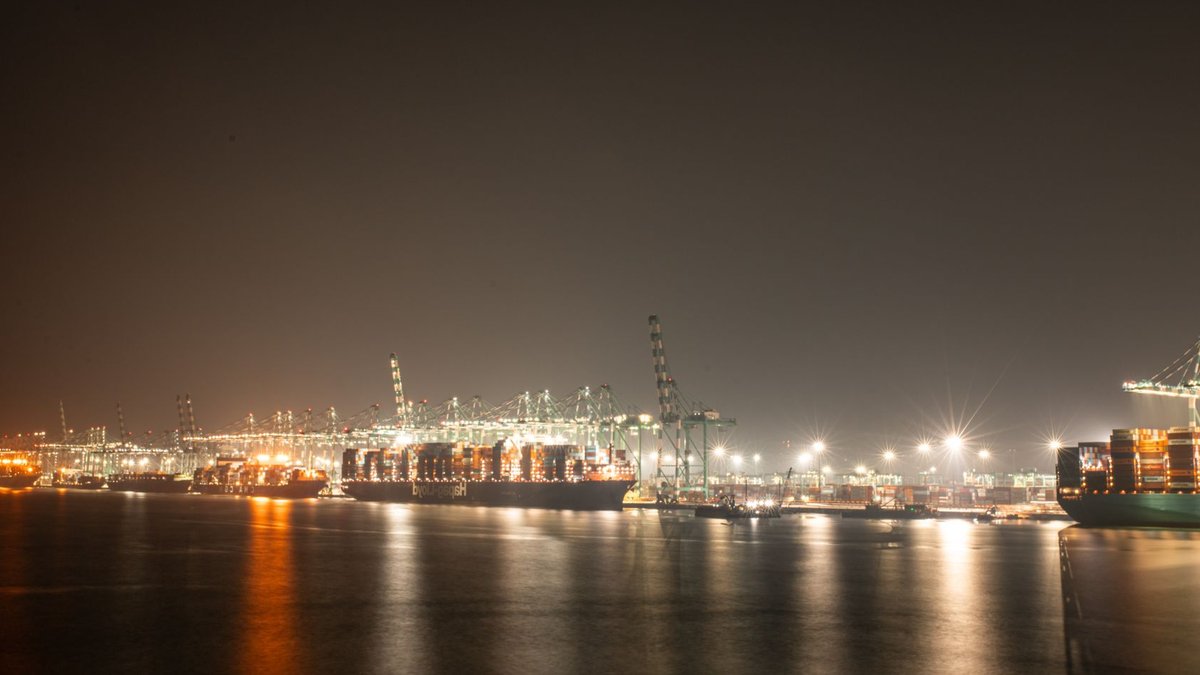
The Port of Los Angeles, a key US West Coast gateway, handled 1,026,872 twenty-foot equivalent units (TEU) in October, marking its second-highest monthly volume ever. This achievement follows a record-breaking September and comes as the Transpacific peak season extends into its fifth consecutive month. The port’s performance shows its critical role in global trade, particularly during this prolonged period of heightened activity.
For the period June through October, the port processed nearly 5 million TEU, setting a new record for the strongest five-month stretch in its history. This milestone highlights the port’s resilience and adaptability in managing unprecedented volumes of cargo.
What’s Driving the Surge?
Gene Seroka, Executive Director of the Port of LA, attributed the continued growth to several key factors: sustained consumer spending, retailers restocking inventories, shifts in trade policy, and challenges in global shipping routes. Seroka emphasized that these elements have collectively contributed to the port’s exceptional performance, even as other global shipping routes face disruptions.
Analysts, however, dispel two commonly cited reasons for the boom: frontloading by shippers and cargo related to AI data center construction. These factors, while widely discussed, are not the primary drivers of the current surge, according to industry experts.
Debunking the Myths
Jimmy Suroto Huang, Founder of Nava Analytics & Research, stated that the idea of frontloading leading to an early peak season was misguided. Speaking at TOC Asia in Singapore, Huang noted, “If there is front loading, then we should have by now be in a down season.” He further criticized the lack of accurate predictions in the market, pointing out that his models had already forecasted a sharp rebound in the second and third quarters, which materialized as expected.
Data from the US Census Bureau, analyzed by Sea-Intelligence, further contradicts the AI data center narrative. High-value AI computer chips and IT equipment are primarily transported by air freight, not container ships. Additionally, the import weight for data center construction materials has remained stable, indicating that this sector is not a significant contributor to the current boom.
According to Alan Murphy, Founder & CEO of Sea-Intelligence, the current boom is driven by traditional container goods and raw manufacturing materials. He highlighted strong growth in imports of apparel, toys, games, sporting goods, and bicycles, which are typical of consumer demand during peak seasons. This focus on everyday items shows the robust nature of Transpacific trade, which continues to defy earlier predictions of a slowdown.


