


Anthropic CEO Backs Safety Tests, Rejects Open Ban
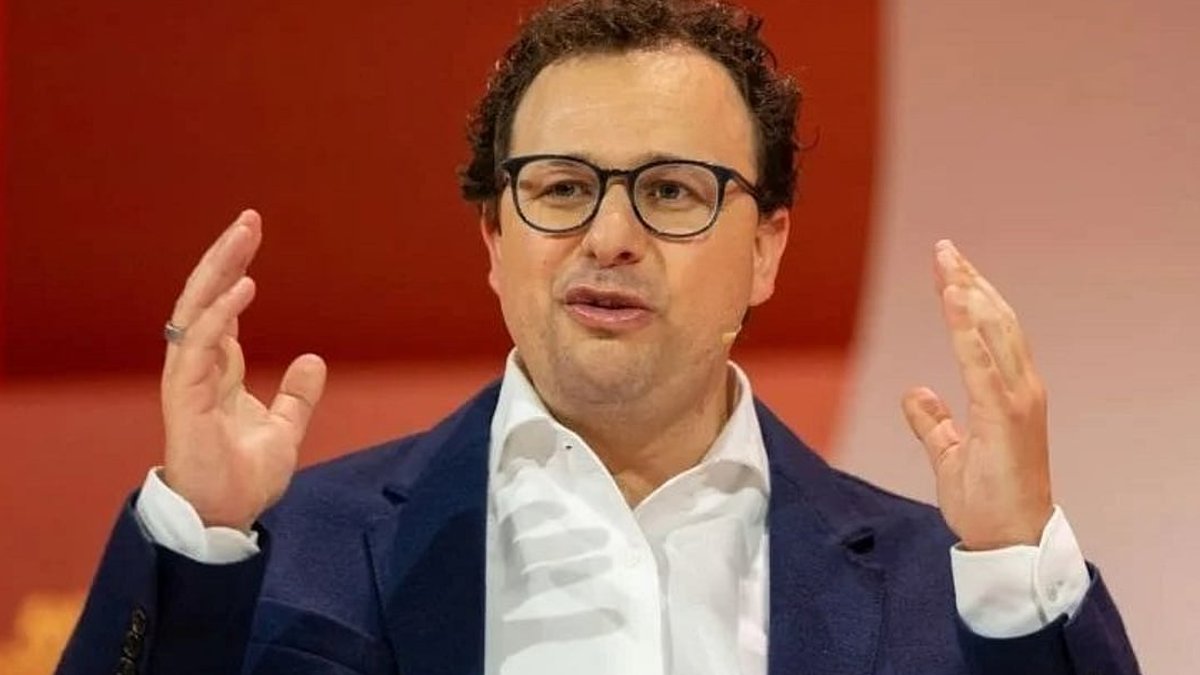
Anthropic CEO Dario Amodei said the company has never advocated for a ban on open‑weight artificial‑intelligence models, urging instead mandatory safety testing and tighter controls on advanced chips.
Company stance on open‑weight AI
In a blog post published Monday, Amodei clarified that Anthropic recognizes the benefits of open‑weight models, including broader access to AI tools and heightened competition among developers. He noted that once these models are released publicly, monitoring their use becomes more difficult, which raises concerns about potential misuse.
The CEO rejected claims that the firm wants outright restrictions, stating it “never advocated for a ban.” Instead, he proposed three policy focuses: limiting advanced AI chip access for authoritarian regimes, curbing large‑scale AI distillation, and requiring safety testing for highly capable models regardless of their source.
Policy recommendations and national security
Amodei highlighted the risk of AI distillation, a process where outputs from a powerful model train a new system. He cited allegations that some Chinese firms have used this technique to replicate capabilities of models from Anthropic and OpenAI, claims that Beijing has denied.
He also called for stricter chip export controls, arguing that limiting access to high‑performance hardware would reduce the ability of hostile governments to develop frontier AI systems. The recommendation aligns with broader discussions in Washington about how to address China’s rapid AI development, exemplified by the emergence of Chinese open‑weight models such as Moonshot AI’s Kimi K3.
While Anthropic did not sign a recent industry letter urging the U.S. to avoid premature restrictions on open‑weight models, Amodei expressed agreement with many of the letter’s broader goals. He acknowledged that open‑weight models can improve customer choice and spur innovation, but warned that openness alone does not guarantee safety or give defenders an edge in cyber conflicts.
Related: Diamonds in the Rough: Unveiling the Hidden Costs of Engagement Rings
In the midst of ongoing debates, the legal team secured a $1.5 billion settlement in a U.S. copyright lawsuit, highlighting Anthropic’s growing influence in the AI sector.
The administration is drafting a framework that may include mandatory safety testing for frontier AI systems. Amodei’s comments suggest that, from his perspective, the focus should stay on risk management rather than imposing a sweeping ban on open‑weight models. This approach could shape future regulatory actions, balancing innovation with national‑security concerns.
Industry peers such as Nvidia, Microsoft, Meta, OpenAI and Palantir have recently signed a joint letter to policymakers, arguing that premature restrictions could hinder progress. Their stance contrasts with Anthropic’s emphasis on specific safeguards, though both camps share a common interest in preventing misuse.
Analysts note that the policy discussion remains fluid, with differing views on how best to mitigate risks while preserving the competitive advantages of open‑weight models. The outcome will likely depend on how regulators weigh the trade‑offs between security and openness.
The debate continues.

Hourly Billing Faces Global Scrutiny


