


Turning farm waste into fuel and carbon credits
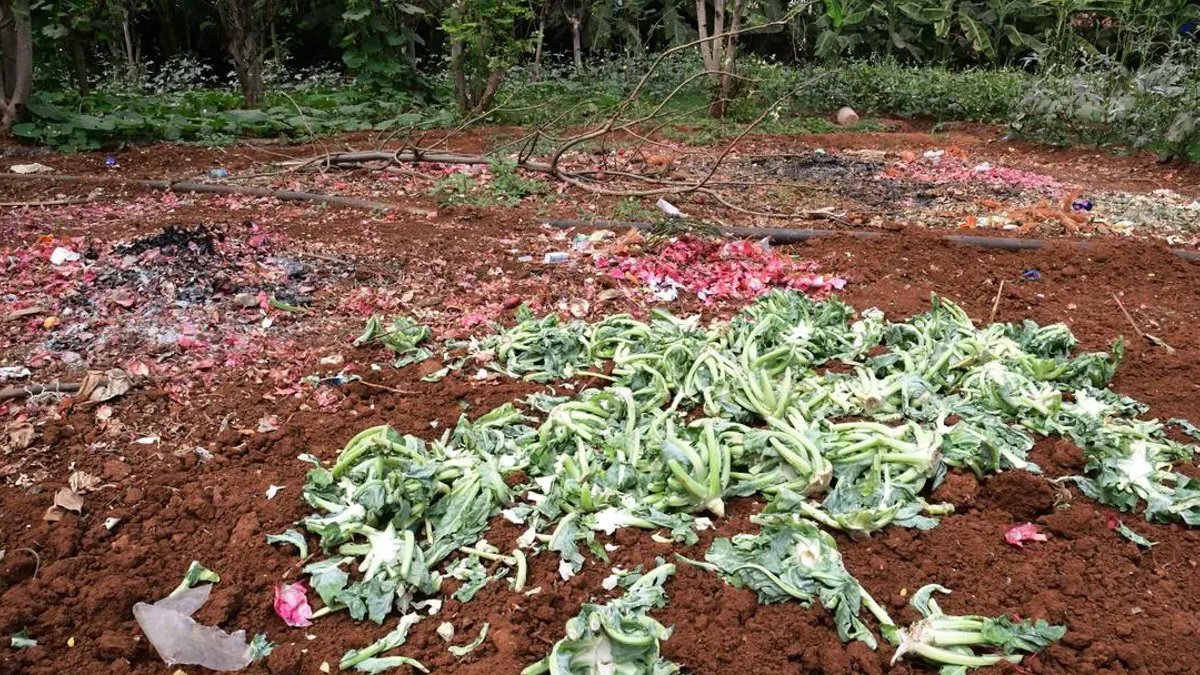
India produces about 750 million tonnes of agricultural biomass annually, with roughly 230 million tonnes of this considered surplus and underutilised. For years, this residue was treated as a problem to manage or simply burned. That approach is shifting as the country looks to boost energy security and reduce emissions. The material is increasingly being viewed as a resource with economic value, capable of creating new income streams in rural areas. The opportunity is not just about waste management; it is about building new value chains around a resource that is already available.
Turning waste into fuel
Processing the material requires different technologies depending on whether the biomass is wet or dry. Wet waste such as cattle dung and food scraps can go through anaerobic digestion to produce biogas, which can then be upgraded into Bio-CNG. With initiatives such as SATAT supporting the development of compressed biogas, this model has the potential to address two challenges at the same time, managing organic waste and creating a domestic source of renewable fuel.
This creates a cleaner fuel option and helps manage organic waste at the same time. Dry residue like rice husk and cotton stalk can be processed through gasification to create syngas for industrial heating and power generation. This process also yields biochar, adding a second output from the same feedstock.
Read Also: Indian song tops Spotify charts for a year
The economics of this approach rely on using the right technology for the right kind of material. Syngas helps industries cut fossil fuel use, while biochar improves soil quality and locks carbon away in a stable form. With carbon markets growing, biochar projects in states like Gujarat, Maharashtra and Telangana are already generating carbon removal credits. This opens an additional revenue channel for the biomass value chain. Syngas can help industries reduce their dependence on fossil fuels, while biochar can improve soil quality and retain carbon in a stable form. What was once considered low-value agricultural waste can therefore generate multiple outputs and create value at different points in the economy.
From byproduct to ecosystem
The author is Managing Director of Ankur Scientific
Published on September 26, 2026

Indian song tops Spotify charts for a year


