


SpaceX launches final Dragon crew mission to ISS
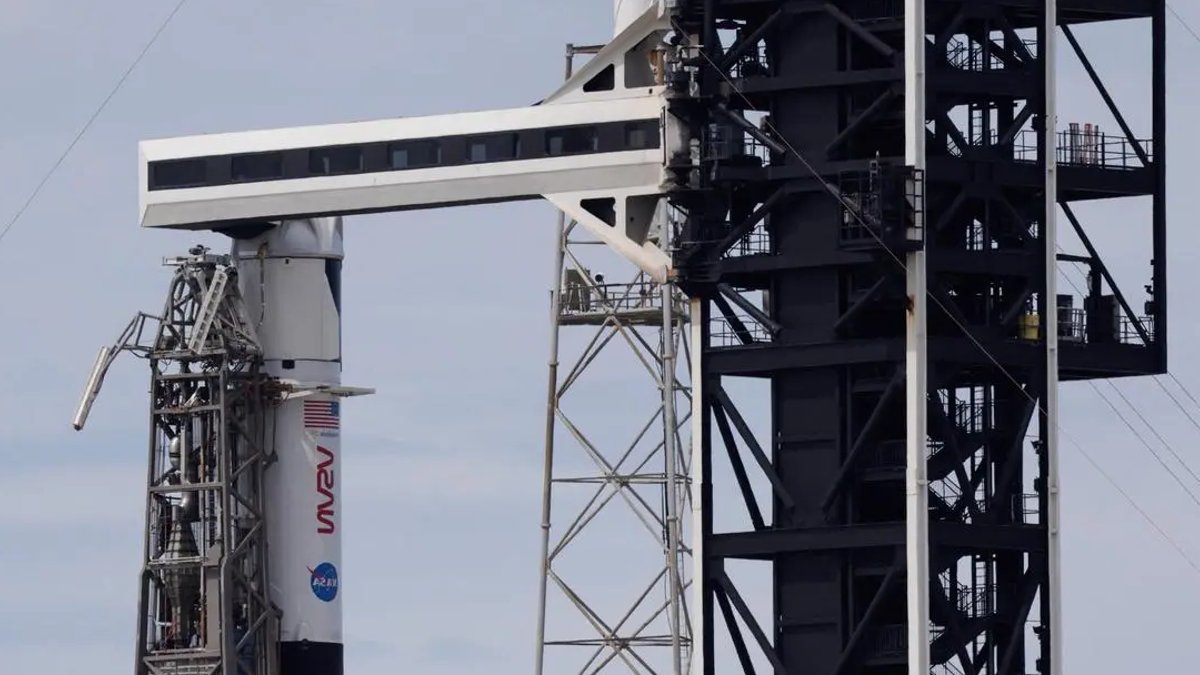
A SpaceX Falcon 9 rocket will send four astronauts to the International Space Station on Thursday, marking the latest in NASA’s reliance on the company’s Dragon capsule. The mission, Crew-13, includes NASA astronauts Jessica Watkins and Luke Delaney, Canadian astronaut Joshua Kutryk, and Russian cosmonaut Sergey Teteryatnikov. Liftoff is set for 11:10 a.m. local time from Kennedy Space Center in Florida, with docking at the ISS scheduled for around 7 p.m. New York time.
Final Dragon flights ahead of retirement
Crew-13 may be among the last missions flown by SpaceX’s Dragon capsule, which was developed with partial NASA funding. The company has signaled plans to phase out Dragon in favor of Starship, its next-generation rocket system. NASA Administrator Jared Isaacman confirmed this shift at a press conference, stating that SpaceX intends to “sunset older platforms like Falcon and Dragon” as it focuses on Starship, which is still under development.
Read Also: Tata Sons merger to shed NBFC status
Beyond Crew-13, SpaceX has contracts for at least four more Dragon missions through 2030, but the company has not specified whether it will continue using the capsule after the ISS program ends. Gwynne Shotwell, SpaceX’s president, said during the All-In Summit in September that Dragon would not be retired “today,” but the company’s long-term plans remain unclear. A SpaceX official later noted that the focus is on fulfilling existing NASA contracts before considering future steps.
A temporary overlap
For now, Dragon continues to operate without disruption. The Crew-13 astronauts will join the ISS for a six-month stay, while the current crew, Crew-12, will return to Earth aboard their own Dragon capsule roughly a week after arrival. The handover shows NASA’s dependence on SpaceX for crew rotations, even as the agency prepares for a potential shift to alternative systems.

Tata Sons merger to shed NBFC status


