


Cooperative Model Puts Sustainability First
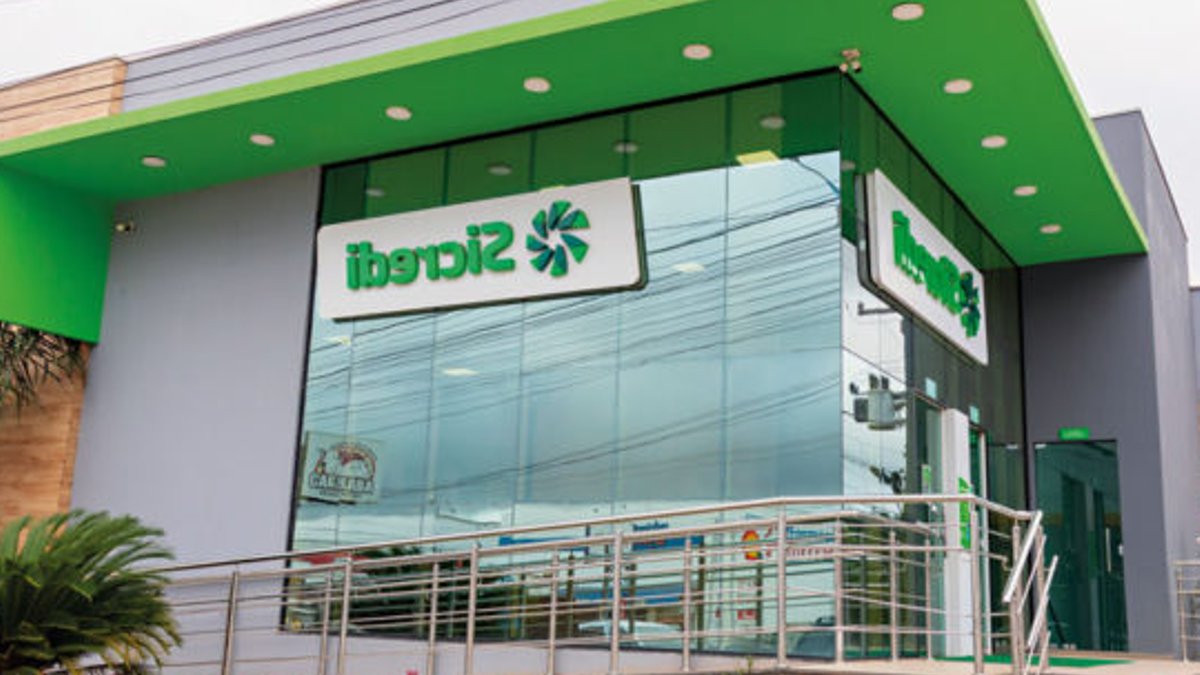
As climate change, social inequality, and economic instability reshape global markets, financial institutions face pressure to evolve beyond profit-driven models. Credit unions have emerged as a scalable solution, offering a blend of financial strength and local commitment. Sicredi, a cooperative financial institution in Brazil, exemplifies this approach. The organization serves over 10 million members and maintains a physical presence in more than 2,200 municipalities through a network of more than 3,000 branches. The scale of this operation recently earned recognition from World Finance, which named Sicredi the winner of the ‘Outstanding Contribution to Sustainable Finance by a Cooperative (LatAm)’ award.
Housing Market Sees Slight Price Increase trends often reflect broader economic shifts, much like the integration of sustainability into credit decisions. The award highlights Sicredi’s effort to align financial performance with sustainability outcomes. The cooperative integrates environmental and social criteria directly into credit decisions, ensuring that lending actively supports long-term development. This strategy has driven the expansion of its green credit portfolio, which reached $17.8bn in 2025. The green classification framework combines sectoral criteria with eligible credit lines and clearly defined benefits. Sicredi uses the sustainability taxonomy proposed by the Brazilian Banking Federation (Febraban), which aligns with international references like the Climate Bonds Initiative and the Social Bond Principles.
Operations are classified as green when they support the transition to a low-carbon economy, climate adaptation, or sustainable land use. Credit decisions also incorporate social, environmental, and climate risk assessments. The strategy has resulted in $1.9bn allocated to low-carbon agriculture and $4.3bn dedicated to renewable energy, particularly distributed solar generation. These investments help producers implement techniques like crop rotation and efficient water use, improving both environmental outcomes and agricultural resilience.
For rural populations and those in small municipalities, access to capital remains a persistent barrier to development. By operating in underserved regions, Sicredi directs significant resources to micro and small enterprises located in municipalities with below-average Human Development Index levels. The cooperative has allocated $5bn specifically to these areas. It also prioritizes women-led businesses, with a dedicated portfolio of $1.8bn, reinforcing access to credit as a driver of economic empowerment and social inclusion. Collaborations with the International Finance Corporation (IFC) further amplify this impact by mobilizing global capital into local initiatives.
A model for inclusive growth
At Sicredi, environmental, social, and governance (ESG) considerations are not treated as a separate agenda or a reputational layer. They are woven into the cooperative’s business model and the system itself. The integration of these criteria guides strategic decisions, credit allocation, and risk management. As sustainability becomes central to global financial systems, the credit union model demonstrates a transformative capacity. By aligning financial performance with social and environmental impact, it offers a viable pathway for sustainable development that extends beyond Brazil’s borders.

Housing Market Sees Slight Price Increase


