


Circular Airport Concept Gains Momentum Worldwide
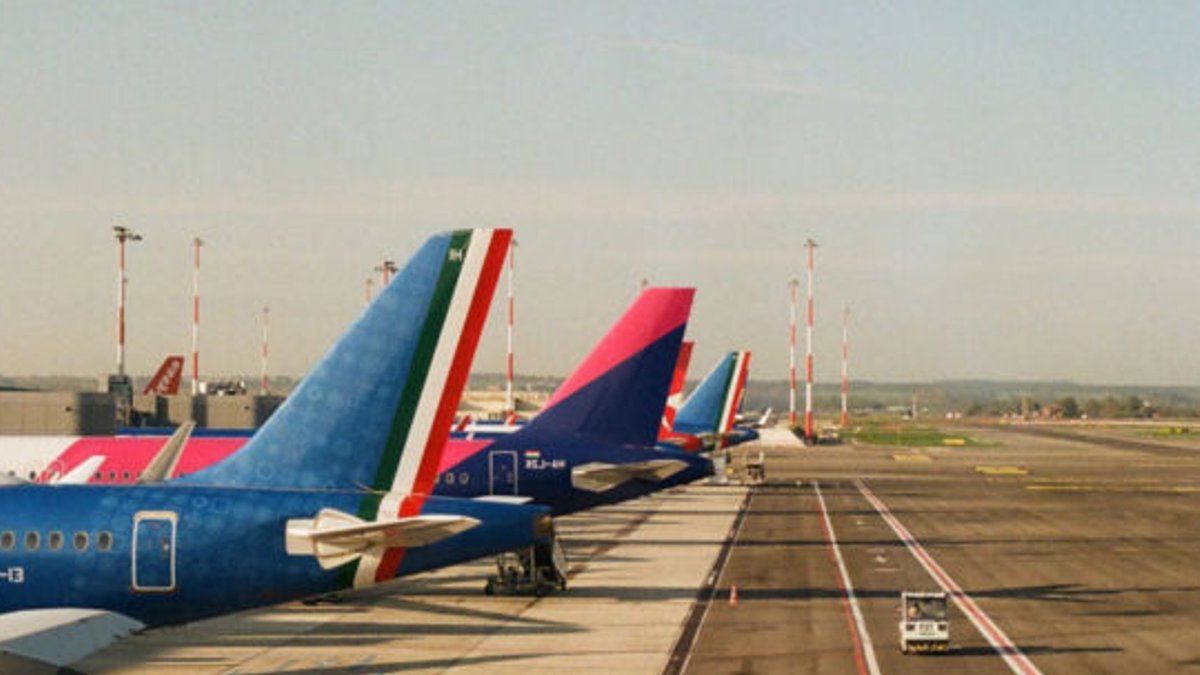
Rome Fiumicino “Leonardo da Vinci” airport has moved past the 50 million passenger mark, positioning it among the world’s busiest hubs, while simultaneously advancing a circular airport model that blends construction, operations and waste management into a single sustainability framework.
It now serves millions annually.
Infrastructure built for reuse
Since 2025, infrastructure projects at Aeroporti di Roma (ADR) are treated as evolving systems rather than fixed assets. The organization favors brownfield redevelopment over demolition, applying standards such as LEED and BREEAM to more than three‑quarters of the terminal’s built environment. This approach extends asset life and cuts the need for new resources.
Runways, aprons and access roads now incorporate recycled materials. In 2025, over half of the inputs for completed works were reclaimed bitumen or aggregates sourced from demolition debris. On‑site segregation of excavated material allows its reuse in foundations and non‑structural applications, while processing plants within the airport perimeter keep the loop closed. Technical specifications set clear thresholds that balance recycled content with safety and performance, and these criteria are already embedded in major ongoing projects.
Related: Fos reports 53,600 cases in Q2
Daily operations adopt circularity
Waste handling at Fiumicino operates under a tiered collection system, overseen by specialist operators. A tariff that blends a fixed charge with a variable fee tied to the amount of unsorted waste pushes commercial tenants to improve separation at source, directly linking environmental results to cost efficiency. Digital monitoring tools now track collection, transport and disposal, sharpening data quality and operational oversight.
Water use follows a similar pattern. An advanced treatment plant recovers non‑potable water from the Tiber River and biological processes, supplying thermal systems, irrigation and sanitation.
Digitalisation underpins these initiatives, offering traceability of material flows and enabling better decision‑making. By visualising waste streams, ADR identifies cost savings and new recovery opportunities, reinforcing the link between environmental performance and financial discipline.
From a broader view, the shift toward a circular airport reflects a strategic response to the growing scarcity of raw materials and tighter regulatory pressures. Reusing construction inputs lowers procurement expenses, while higher recycling rates diminish disposal costs and recover valuable fractions. The resulting efficiencies support a more resilient operating model, aligning growth ambitions with a reduced ecological footprint.

India's Infrastructure Revolution Under Construction


