


Insurers Warn: Flashy Rolex Wearers May Signal Higher Risk
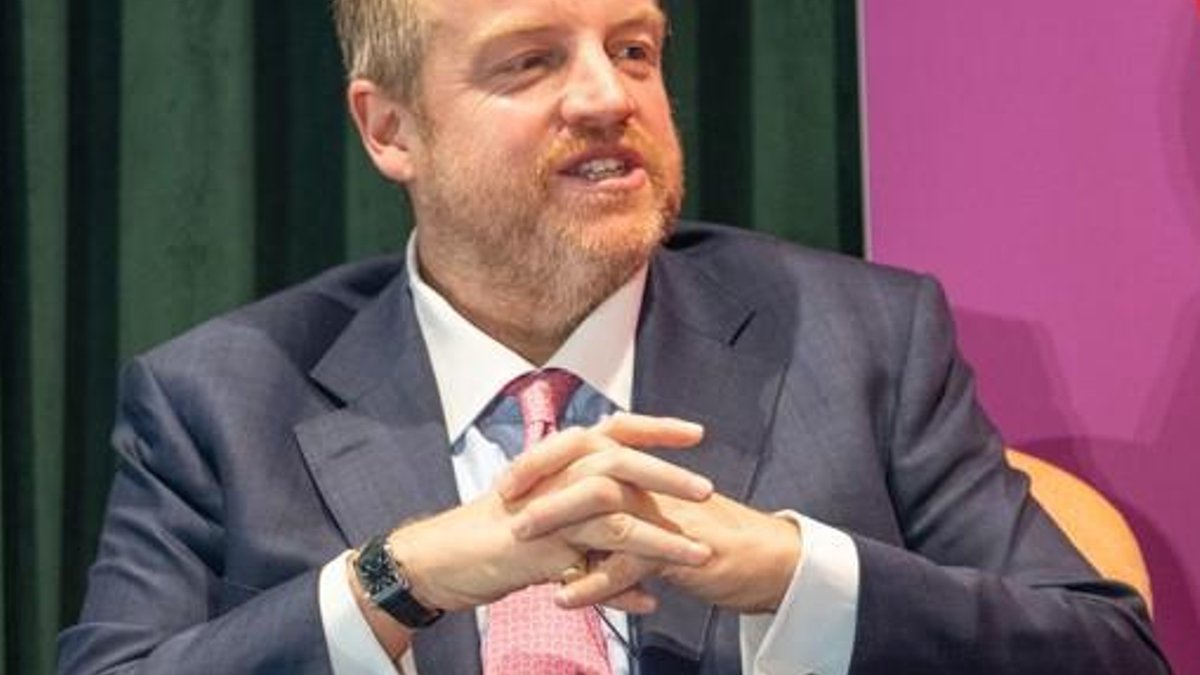
Toby Clegg, chief executive of Clegg Gifford, questions whether the future of underwriting lies in more accurately pricing risks from moral hazard and insured behavior. He highlights a trend in the Lloyd’s and London market where members proudly display symbols of success, such as owning a Rolex Submariner.
While a Rolex symbolizes success, Clegg argues it could also signal a bad risk to insurers. He uses the example of two identical houses in a nice part of London, where the residents’ nature could determine who represents a better moral hazard.
The Rolex vs. the Patek Philippe
Clegg’s father once had a fellowship thesis rejected by the Chartered Insurance Institute for being overly elitist. He compared a flashy Rolex wearer to a more discreet Patek Philippe owner. The Rolex, being instantly recognizable, attracts more attention and potential theft, while the Patek can appear less valuable from a distance.
This goes beyond watches, encompassing signals of success like cars, social media posts, and public displays of wealth. Insurers have a legitimate interest in these signals, as moral hazard raises questions about behavior when someone else bears the cost of misfortune.
Quantifying Moral Hazard
Misjudging moral hazard undermines a core insurance principle: premiums should reflect risk. If careless individuals are underpriced, careful ones subsidize them. Traditional solutions, like detailed questionnaires or requiring safes, are practical but lack innovation.
Clegg suggests underwriting’s future may involve shaping moral hazard rather than merely judging it. This could mean quantifying factors like public display, storage practices, and social media behavior. Moral hazard is dynamic, influenced by time, place, and even alcohol consumption.
A dynamic approach, rather than a fixed moral hazard score, could reward discretion and cautious behavior. For example, attending security briefings could earn premium credits, incentivizing safer habits among policyholders.
The test for such systems must be explainability, ensuring they do not feel prejudicial or opaque. Insurers can assess observable behaviors that increase loss probability, such as overt public display, storage, travel, prior loss patterns, security adherence, and willingness to mitigate.
Balancing Technology and Human Insight
Clegg stresses the need to balance technology with human judgment in addressing moral hazard. While technology can quantify risks, it requires human insight to avoid simplistic exclusions or caps.
Discretion, as Clegg’s father noted, is key to risk selection. Insurers can evaluate observable behaviors like wealth display, storage methods, travel patterns, and social media activity. The challenge is to avoid crude responses that exclude, cap, or aggregate risks, and instead focus on understanding the deeper truths about human behavior that moral hazard reveals.

UK insurance industry honors tech innovators


