


G20 rejects US push on trade tariffs and forced labor
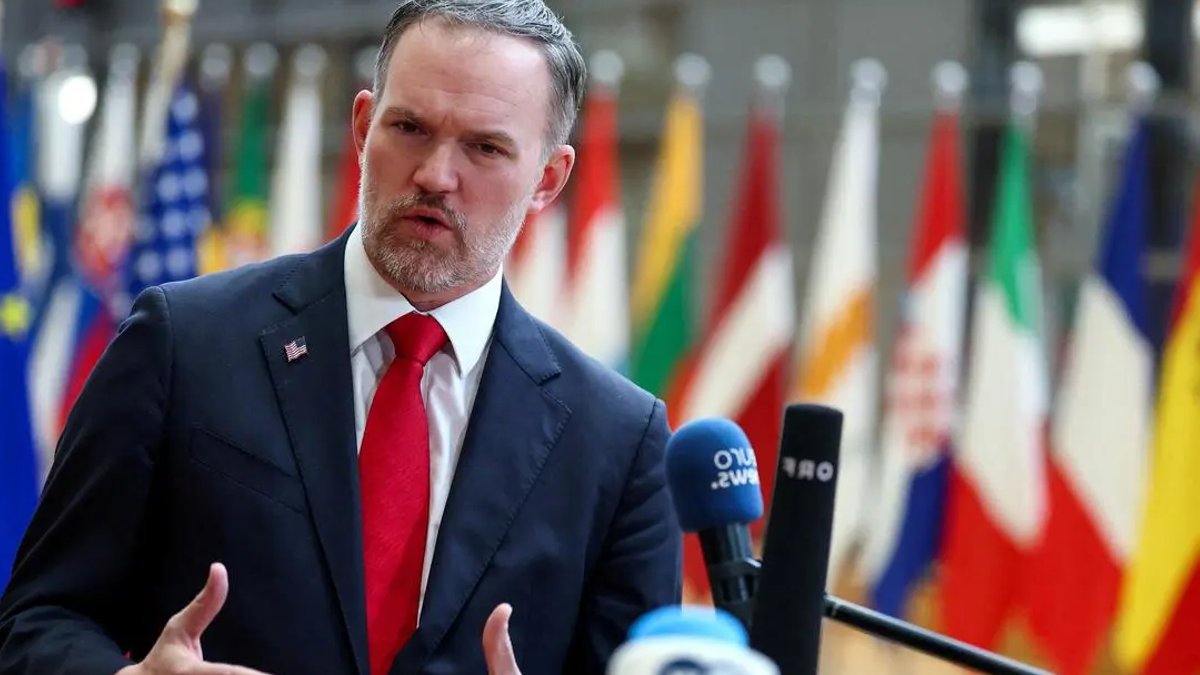
The G20 trade ministers’ meeting in Milwaukee saw strong opposition to the US-led initiative aimed at tackling excess industrial capacity and forced labor in global supply chains. Only Mexico and Argentina backed the US proposal, while a small group of G20 members outright rejected it. The US Trade Representative’s office described the resistance as leaving Washington “severely disappointed” over the lack of collaboration.
This pushback follows the Trump administration’s recent imposition of tariffs on goods from 59 countries and the European Union, which were justified under claims of insufficient action against forced labor. The US is also conducting a second investigation under Section 301 targeting 16 trading partners suspected of sustaining excess industrial capacity. Additional tariffs are expected to follow.
China has consistently opposed US-led statements critical of its industrial policies, including subsidies and state-supported production that the US alleges contribute to global overcapacity. During a G20 finance meeting last month, Beijing rejected claims that its industrial policies have created excess capacity, accusing Western countries of using the issue to justify protectionist measures. The US said that G20 trade ministers reached consensus on denouncing the weaponization of food trade, with members agreeing that trade in food or agricultural inputs should not be used as a tool for economic or political coercion.
Read Also: Manufacturing startups struggle with funding capacity vs demand
“We condemn food weaponization, as it poses a significant humanitarian and economic threat,” the G20 trade ministers said.
Earlier, the US had threatened to restrict diesel exports to pressure other nations into releasing oil reserves. The Group of Seven countries ultimately agreed to release 100 million barrels of diesel to address record-high prices, a move facilitated by direct intervention from President Trump. Diesel remains essential for agricultural production.
The meeting also addressed reforms to the most-favored-nation (MFN) system, which governs global tariff rates under the World Trade Organization. The US has long argued that China and other non-market economies exploit MFN rules by subsidizing industries without facing differentiated treatment. While some G20 members expressed openness to expanding exceptions to MFN, no concrete agreement emerged.

Manufacturing startups struggle with funding capacity vs demand


