


Subsidence claims hit record £20k amid heatwave
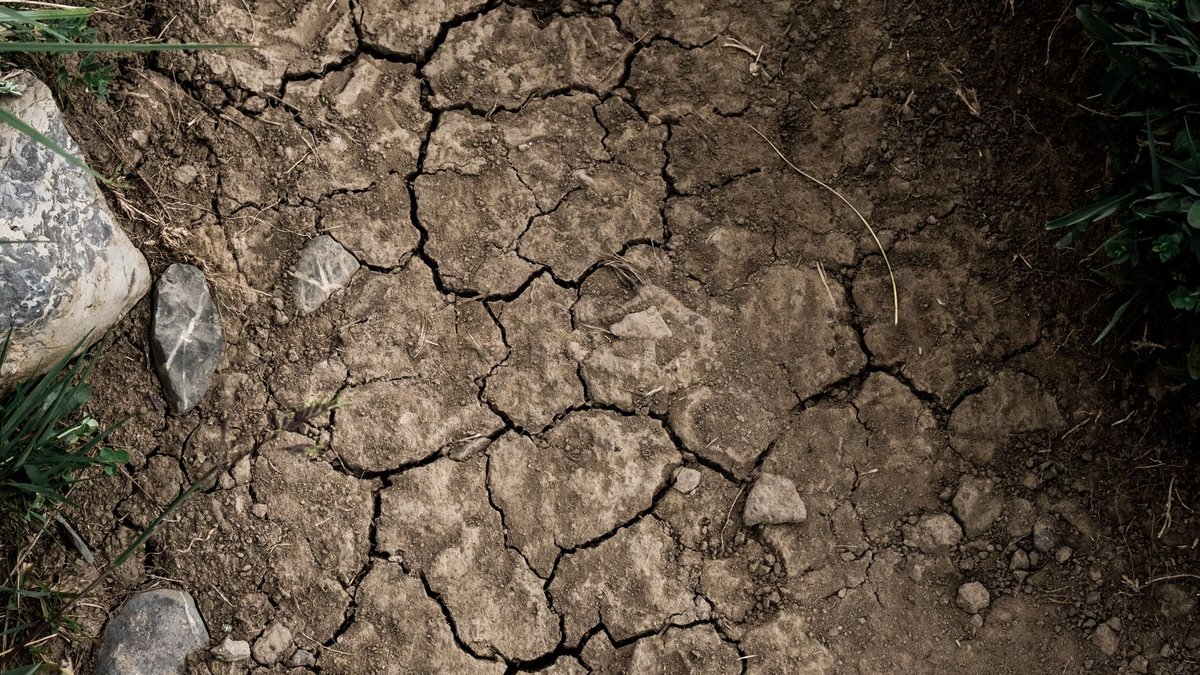
Average home‑insurance payouts in the United Kingdom climbed to a new high during the second quarter of 2026, a trend analysts link to the unusually warm and dry spring that spanned England and Wales.
Dry weather fuels subsidence risk
Subsidence happens when soil beneath a building loses moisture and contracts, causing foundations to shift. Prolonged dry spells, like those recorded in the warmest spring on file, increase the likelihood of this ground movement. Large trees and shrubs can worsen the problem by drawing additional water from the soil.
Rising payouts and premium shifts
Between April and June, the average payout across all policy categories exceeded £7,000, up from just over £6,000 a year earlier. Damage from flooding, storms and burst pipes averaged £8,548, a 12 % rise on the same period in 2025.
Theft‑related losses hit £5,100, marking a 27 % jump year‑on‑year. The combined average premium fell to £383, a modest £9 dip from the previous year, though it rose £8 from the prior quarter – the first quarterly increase since early 2025.
Insurance firms say the upward pressure on payouts reflects both more frequent extreme‑weather events and the growing cost of repairing subsidence damage.
Homeowners are advised to watch for sudden, wide cracks—especially diagonal ones that widen toward the top—cracks appearing both inside and outside, doors that jam, and wallpaper that ripples without obvious cause. Spotting these signs early can prompt repairs before structural issues worsen.
Related: Middle East Rift Lifts Crude Prices Borrowing Costs
“The growing cost of subsidence and weather‑related damage is a reminder of why improving the resilience of our homes matters,” said Chris Bose, director of general‑insurance policy at the ABI. “While insurers continue to be there for customers when they need them most – providing financial protection and support – reducing future losses demands a coordinated effort from homeowners, industry and government.”
He added that deep foundations for new builds and routine maintenance of trees, drains and leaking pipes in older homes can lower risk.
In practice, this means a homeowner in a drought‑prone area might need to schedule a drainage inspection before the next dry spell, or consider planting fewer water‑heavy trees near the foundation. Such steps could keep repair costs down and avoid the steep payouts that insurers are now reporting.
Buildings‑only cover fell to £309.
That amount is 5 % lower than a year ago, while contents‑only policies dropped to £118, down 9 % year‑on‑year. The slight quarterly uptick in overall premiums suggests insurers are balancing rising claim costs with competitive pricing.
Regulators continue to monitor the market, and insurers stress that a collaborative approach—combining better construction practices, regular property upkeep and responsive policy terms—will be essential as climate patterns shift.

Middle East Rift Lifts Crude Prices Borrowing Costs


