


Oil rich nations face final reserves dilemma
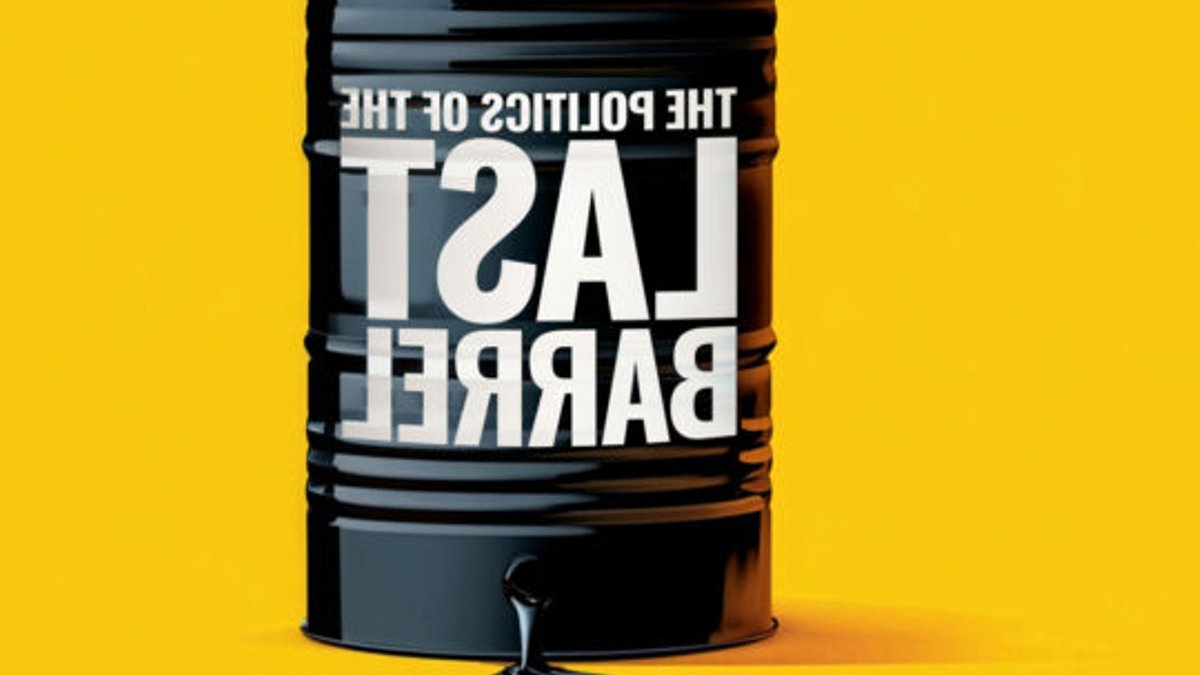
President Gerald R. Ford’s 1975 declaration that the United States must “resolve our internal differences and put ourselves on the road toward energy independence” still reverberates as nations grapple with today’s oil‑supply shocks.
From the 1973 embargo to modern emergency stocks
The Energy Policy and Conservation Act, signed on Dec. 22, 1975, created the strategic petroleum reserve (SPR) as a safety net after the 1973 OPEC embargo caused stagflation in the United States. The reserve was intended to shield the economy from future supply disruptions. Over the past 50 years, the SPR and similar stockpiles have become central to global energy security strategies.
Related: Thai firm leads US dollar funds surge
In the last six years, three major events have tested those reserves: the COVID‑19 pandemic, the Russia‑Ukraine war, and the ongoing Middle East conflict that began in February 2024. Kenneth Medlock, senior director at the Baker Institute’s Centre for Energy Studies, says strategic stocks “are held to buffer supply shocks,” and the current war highlights the need for strong emergency inventories.
Middle East war and the Strait of Hormuz
Data by the International Energy Agency (IEA) show the region accounts for roughly 30 percent of global oil production and 17 percent of natural gas production. The conflict has threatened the Strait of Hormuz, a critical chokepoint for global oil flows.
Related: Protesters repurpose food apps for social aid
Given the scale of the disruption, experts argue that the SPR’s role has shifted from a purely defensive stockpile to a tool for stabilizing markets and curbing inflation. Medlock cautions that “the release of reserves has helped avert dire impacts, but they are not a cure for long‑term supply and price stability.”
Looking ahead, the continued uncertainty around the Strait of Hormuz and the broader regional conflict suggests that nations will keep bolstering their emergency inventories.
Related: India’s green shift needs more than big factories
Costly maintenance remains a concern.
In the medium term, the pressure to secure reliable fuel supplies will likely drive more countries to expand their strategic stocks, even as they weigh the financial burden against the risk of future supply shocks.

Thai firm leads US dollar funds surge


