


India’s green shift needs more than big factories
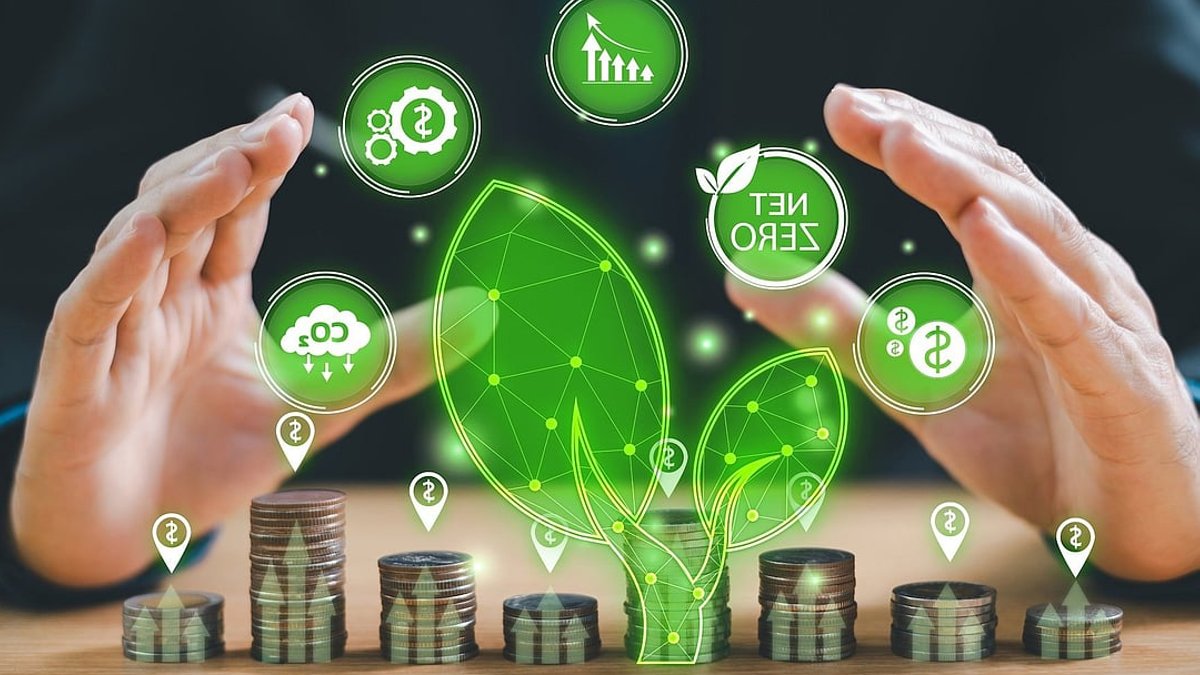
India’s climate transition depends on more than its most visible projects, such as sprawling solar parks or battery gigafactories near industrial cities. The real progress occurs in smaller, less prominent locations: a waste-to-energy startup in Pune, a circular packaging firm in Ahmedabad, and an EV component manufacturer in Coimbatore.
These enterprises, often called the “missing middle,” struggle to secure funding despite their significant role in the economy. They generate nearly a third of the country’s GDP, nearly half of its manufacturing output, and provide jobs for over 110 million people. Their operations also contribute heavily to industrial emissions, making their decarbonization essential for meeting India’s net-zero goals.
The hourglass problem in climate finance
Climate finance in India follows an hourglass pattern. Institutional investors pour billions into large infrastructure projects backed by government guarantees, while microfinance supports households purchasing solar lanterns or clean cookstoves. The middle segment—medium-sized enterprises driving change—remains underserved.
The challenge isn’t a lack of capital but a mismatch between available funds and the businesses needing them. Climate-focused MSMEs are often young, operate in emerging sectors, and lack the credit history or collateral traditional lenders require. Many run asset-light models, offering no physical assets as security. Their impact metrics don’t align with standard due diligence, leading banks to reject them even when they’re profitable.
The result is a paradox: the companies best suited to accelerate India’s energy transition are the least able to access funding. The issue isn’t risk but unfamiliarity. Lending systems weren’t designed for these businesses.
Blended finance is the most promising structural solution. When concessional capital from development finance institutions acts as a first-loss buffer, it opens the door for private capital that would otherwise stay on the sidelines. Given that India needs somewhere between $253 and $263 billion annually in clean energy investment through 2030, these structures aren’t optional extras, they are load-bearing.
Related: How to Ensure Your ATM Placement Maximizes Customer Accessibility
Equally important is channelling development capital through alternative lenders and NBFCs who are already embedded in MSME ecosystems and understand how to price risk in these sectors. The bottleneck isn’t ambition; it’s distribution. Technical assistance, helping companies improve governance, data systems, and impact reporting closes the loop by making borrowers more legible to capital markets over time.
Moving beyond collateral checklists
Banks hesitate to fund climate MSMEs because of outdated underwriting practices. They rely on collateral requirements and backward-looking credit scores, which fail to capture the potential of businesses in fast-moving sectors. A shift toward forward-looking cash flow analysis and industry-specific expertise is necessary.
The tools to enable this change exist. DFIs can anchor blended structures and absorb first-loss risk. Banks and NBFCs can expand reach through co-lending and green credit lines. Alternative lenders can bridge gaps with speed and expertise in niche markets. No single actor can close the gap alone, but together, they could create a financing system that aligns with India’s climate economy.
MSMEs will determine the speed of India’s climate transition. The financial system must adapt quickly to support them.
For businesses in this sector, affordable personalization can help tailor solutions to local needs, improving efficiency and scalability.

AI start-ups focus on affordable personalisation


