


U.S. blockade cuts Iranian oil exports dramatically
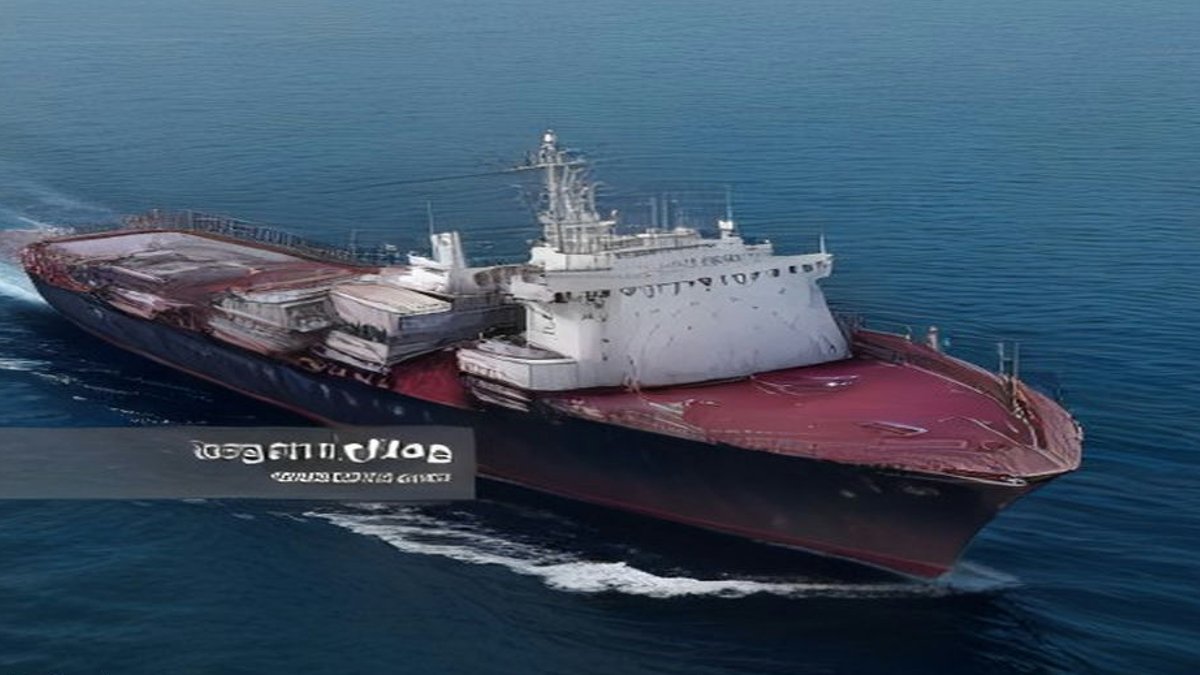
U.S. naval enforcement has pushed daily oil shipments from the country to roughly 15,806 barrels in October, a stark contrast to the 50,789 barrels recorded in the preceding month. The reduction represents a steep decline in the flow of Iranian crude, cutting the daily volume by more than two-thirds within a single reporting period.
Asian Buyer Market Shut Out
Exports bound for the major Asian buyer fell to zero for both September and October, ending a long-standing flow to that market. The cessation removed a key outlet for the oil, leaving regional buyers to seek alternative sources and prompting a reshuffle of commercial contracts that had previously depended on Iranian supply.
“Throughout October 2026, the strict enforcement of the U.S. naval blockade continued to severely restrict Iranian oil exports, maintaining intense economic pressure on the regime,” the report said. This statement shows the purpose of the operation, which is to limit the regime’s ability to generate foreign currency through oil sales.
U.S. officials count only tankers that cross the blockade line in the Arabian Sea; since the line was reinstated on 14 July, just eleven small LPG carriers have been recorded crossing it. The counting methodology excludes vessels that remain outside the designated corridor, meaning that any ship that does not pass the line is not reflected in the official tally.
Charlie Brown, senior advisor for the monitoring group, said the blockade has “been highly effective in bringing Iranian crude oil exports to a virtual standstill,” striking at a critical source of revenue for the regime.
Read Also: US aircraft hits bulker trying to breach blockade
Floating Reserves Near Exhaustion
Floating reserves once stored off Malaysia’s Eastern Outer Port Limits have nearly vanished. During the brief lift of the blockade from 17 June to 14 July, about sixty tankers moved more than 70 million barrels of cargo, including twenty-six vessels that performed ship-to-ship transfers. Those transfers allowed oil to be shifted between ships without entering the contested zone, a tactic that temporarily eased the pressure on export flows.
U.S. analysts now estimate that only 0–5 million barrels remain anchored at the Malaysian site, and only one ship-to-ship transfer of LPG was observed in October. The remaining volume is a fraction of the stock that existed before the blockade’s re-imposition, indicating that the floating storage capacity has been largely depleted.
Despite the surge in attacks, traffic through the Strait of Hormuz rose to a total of 956 transits in October, averaging 30.8 movements per day, many under direct U.S. naval protection. The increased number of passages suggests that commercial shipping has adapted to the heightened risk by scheduling more frequent, shorter trips under escort.
Uncertain Future of the Blockade
Looking ahead questions remain on the US political will to sustain the blockade and how it will respond to increased attacks on commercial shipping. Brown commented: “We are now entering a waiting game. Can Washington sustain the blockade long enough to impose lasting economic pressure on Tehran? And, equally importantly, how will the United States respond to Iran’s escalating attacks on commercial shipping in the Strait of Hormuz?”
The effectiveness of the blockade is becoming increasingly clear. What remains uncertain is the political will to maintain it and the resolve to deter further attacks on international shipping.


