


Fed Faces Growing Threat to Its Independence
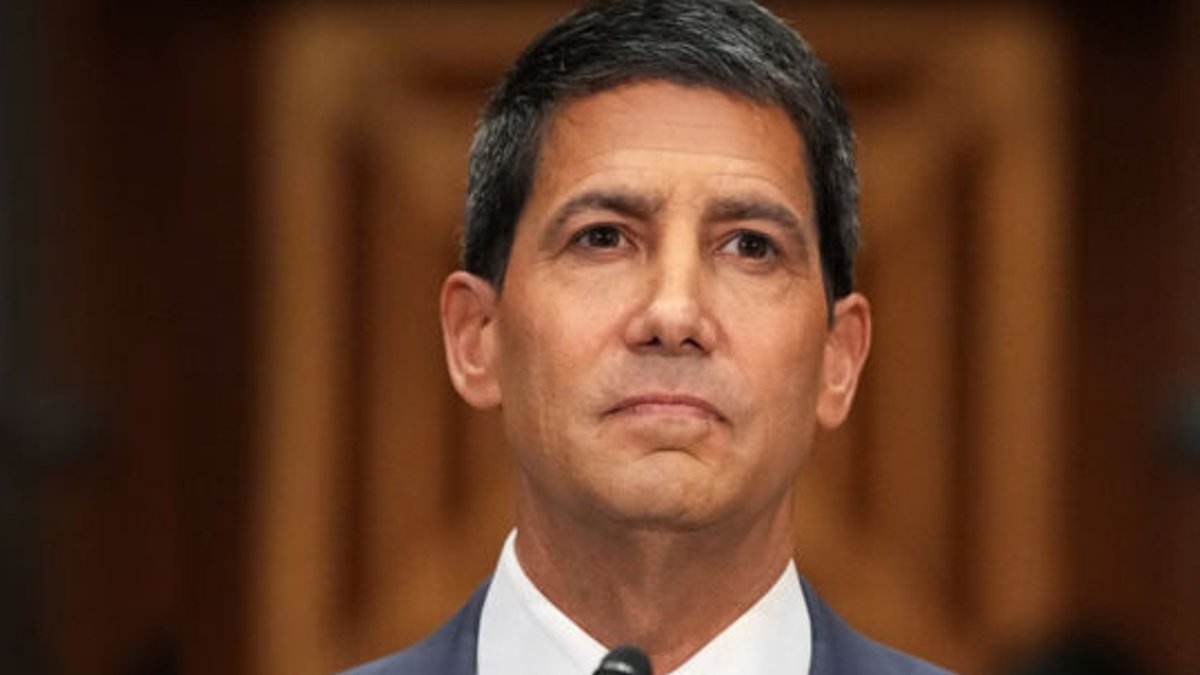
The ongoing tussle over Fed independence has sharpened as former Treasury official Kevin Warsh took over as Federal Reserve chair, prompting fresh scrutiny of how political pressure may shape monetary policy.
Warsh’s appointment amid a fraught confirmation
Warsh, a former Fed governor from 2006 to 2011, entered the role with a résumé that markets find reassuring. He is also the wealthiest chair in the institution’s history, holding assets of at least $130 million from his work at the Duquesne family office.
Senators interrogated him over more than $100 million in allegedly undisclosed assets, turning the proceedings into a heated confrontation. Republican Senator Thom Tillis offered support only after the Department of Justice halted a criminal probe into former chair Jerome Powell. Powell, who had considered stepping down, pledged to remain on the Fed board as a governor to provide continuity.
Warsh’s ties to the administration have become a focal point; his father‑in‑law, Ronald Lauder, is a known Trump ally and donor. Critics argue that proximity to the White House could blur the line between political power and monetary policy. Supporters counter that, while Fed chairs are presidential appointees, their professionalism typically prevails once in office.
Related: Crypto becomes infrastructure not money
During his Senate hearing, he dismissed speculation that he would replace regional Fed leaders with loyalists, emphasizing that his term runs until 2030, outlasting the current administration.
Institutional safeguards and the role of the FOMC
The Federal Reserve’s structure provides some buffer against direct political intrusion. The Federal Open Market Committee (FOMC) makes key policy decisions, requiring a majority vote. As chair, Warsh holds only one vote and must persuade other members, who historically avoid open dissent to project unity.
“Once he is sitting in the Chair’s seat he will be beholden to his fellow FOMC participants and markets, who will be closely watching for signs about his vigilance in keeping inflation expectations well‑anchored,” says Christopher Hodge, chief economist of Natixis CIB Americas and former senior official at the New York Fed.
The market watches closely.
Related: Diamonds in the Rough: Unveiling the Hidden Costs of Engagement Rings
Historical context and potential risks
For most of its 112‑year history, the Fed has occupied a delicate space—created by Congress yet expected to stand apart from day‑to‑day politics. While politicians have long criticized its decisions, a norm of mutual restraint generally preserved its autonomy. That tradition appears to be fraying.
Economic historian Barry Eichengreen warns that “there will be political pressure from the White House to reduce interest rates” amid a persistent energy shock, creating a “not an easy circle to square.” He points to the 1970s, when political interference helped keep rates low, fueling inflation that only aggressive hikes under Paul Volcker could tame.
Should political meddling push inflation above the Fed’s 2 percent target, credibility could erode, making the central bank a scapegoat for fiscal irresponsibility, according to Sylla.
Global implications of a politicized Fed
The Fed’s decisions reverberate worldwide, influencing capital flows, currency stability, and the availability of dollar funding. Foreign central banks rely on the Fed’s dollar liquidity through swap lines, especially in crises. If a U.S. president seeks to make the central bank more nationalistic, the global perception of its independence could shift.
Related: Top PR Tips for Consultants to Get Media Coverage
“If financial markets and international partners perceive undue political interference in the central bank, we will see the ‘ABUSA’ – ‘Anywhere But The US’ – sentiment soar, and to the detriment of the US economy,” says Yerbol Orynbayev, former World Bank governor and ex‑deputy Prime Minister of Kazakhstan.
Temporary Trump appointee Stephen Moran has already argued that the United States should reconsider its role as a global lender of last resort, or demand compensation for it. A more inward‑looking Fed, aligned with short‑term domestic politics, could reshape global finance and raise scepticism about the institution’s credibility.
In sum, the battle for Fed independence is not merely a domestic political drama; it bears on the stability of the global financial system. How Warsh handles the pressures from the White House, the FOMC, and market expectations will determine whether the Fed can maintain the credibility that underpins both U.S. and international economic confidence.

Crypto becomes infrastructure not money


